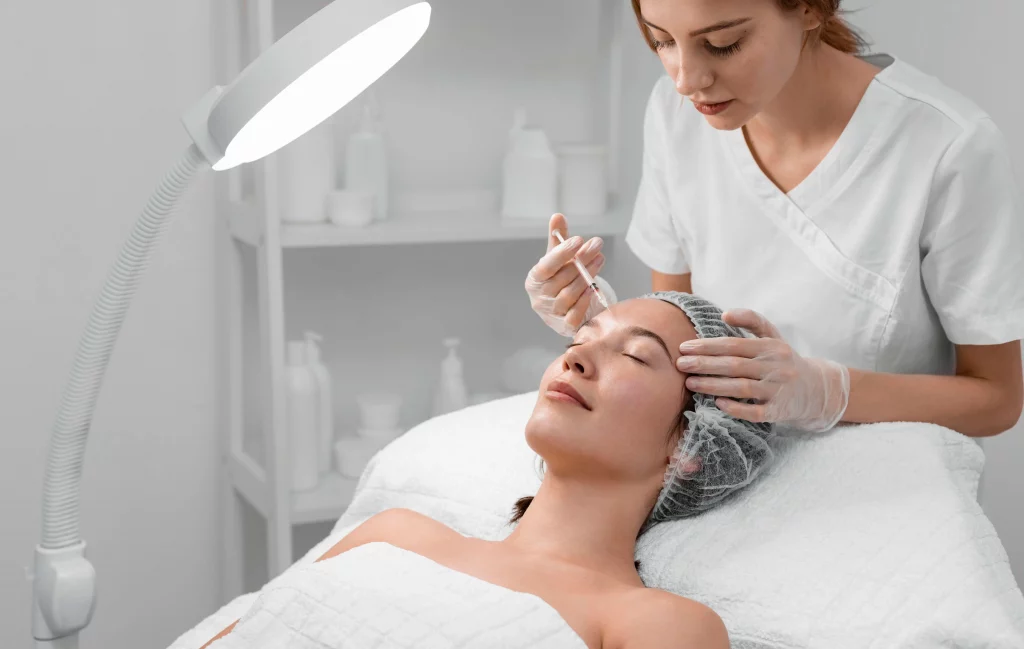
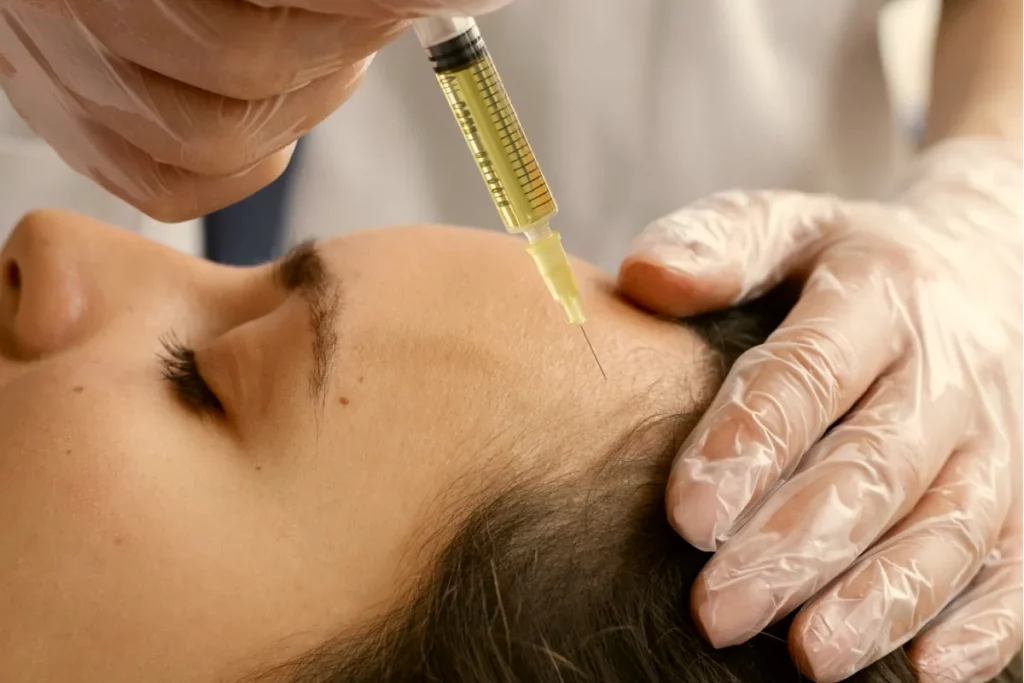
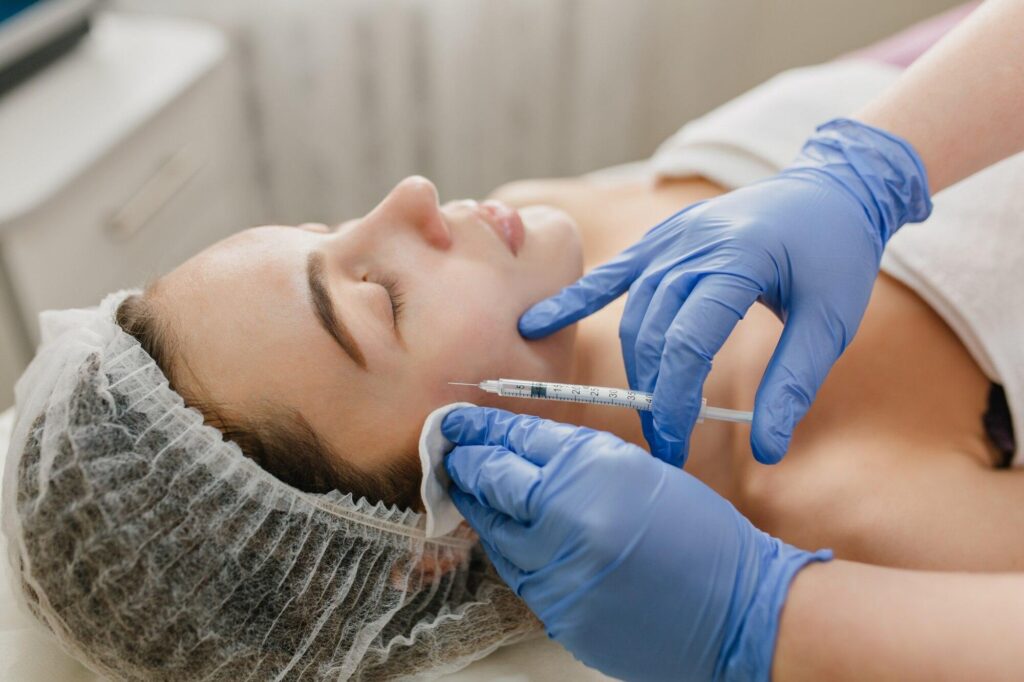
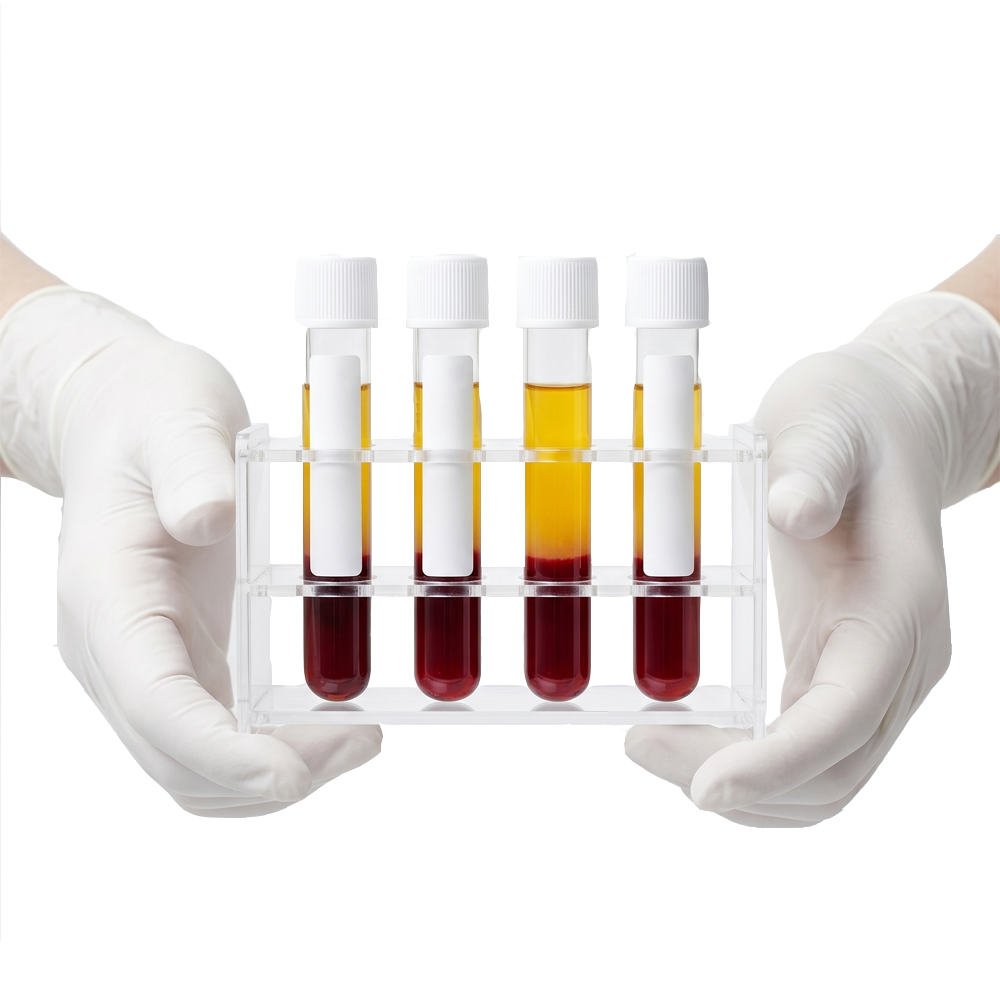
For skin, PRP is often used to improve texture, tone, radiance, acne scars, and fine lines over time. Skin City Lab’s internal guidance describes PRP as a natural regenerative treatment that stimulates collagen production and enhances overall skin quality.
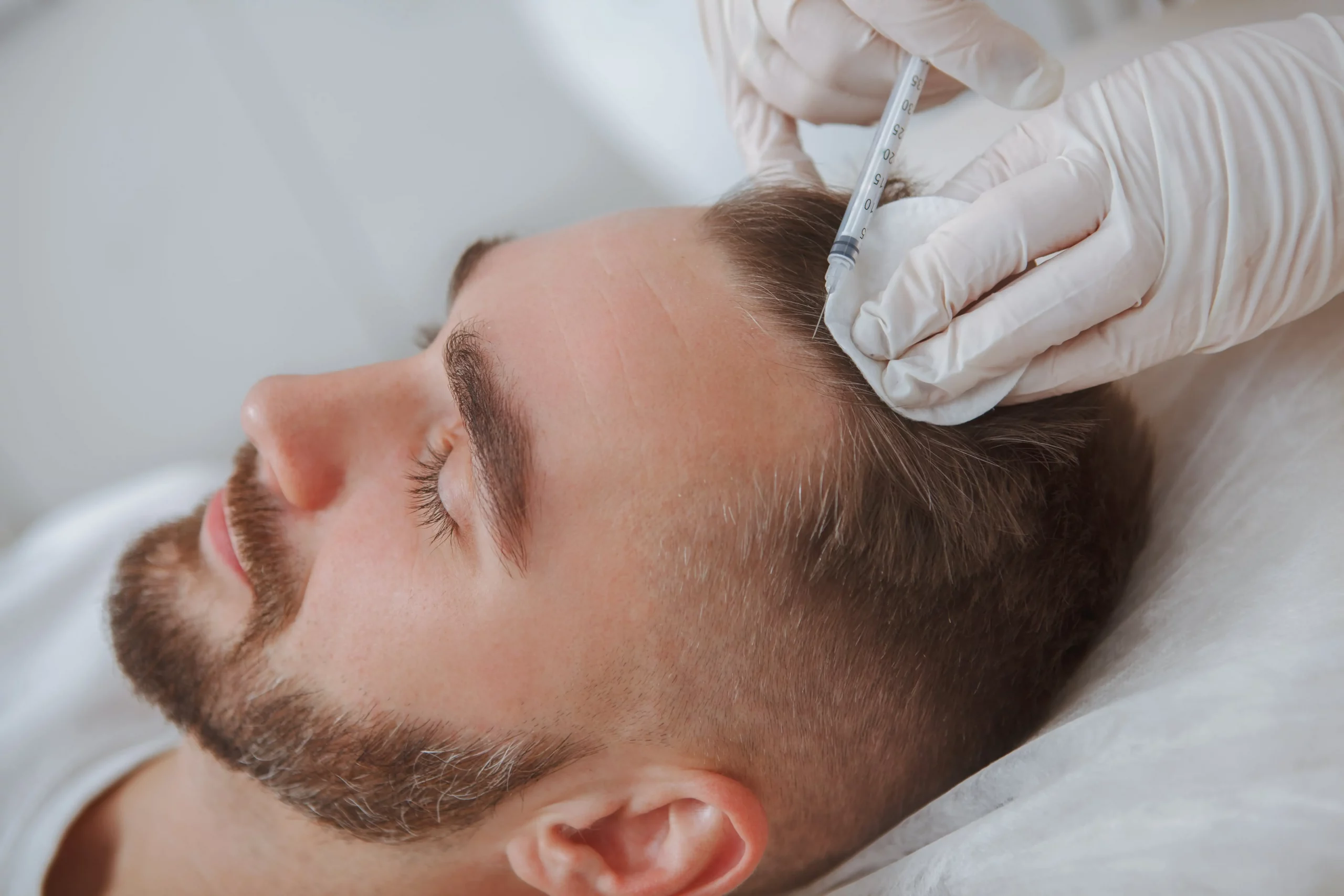
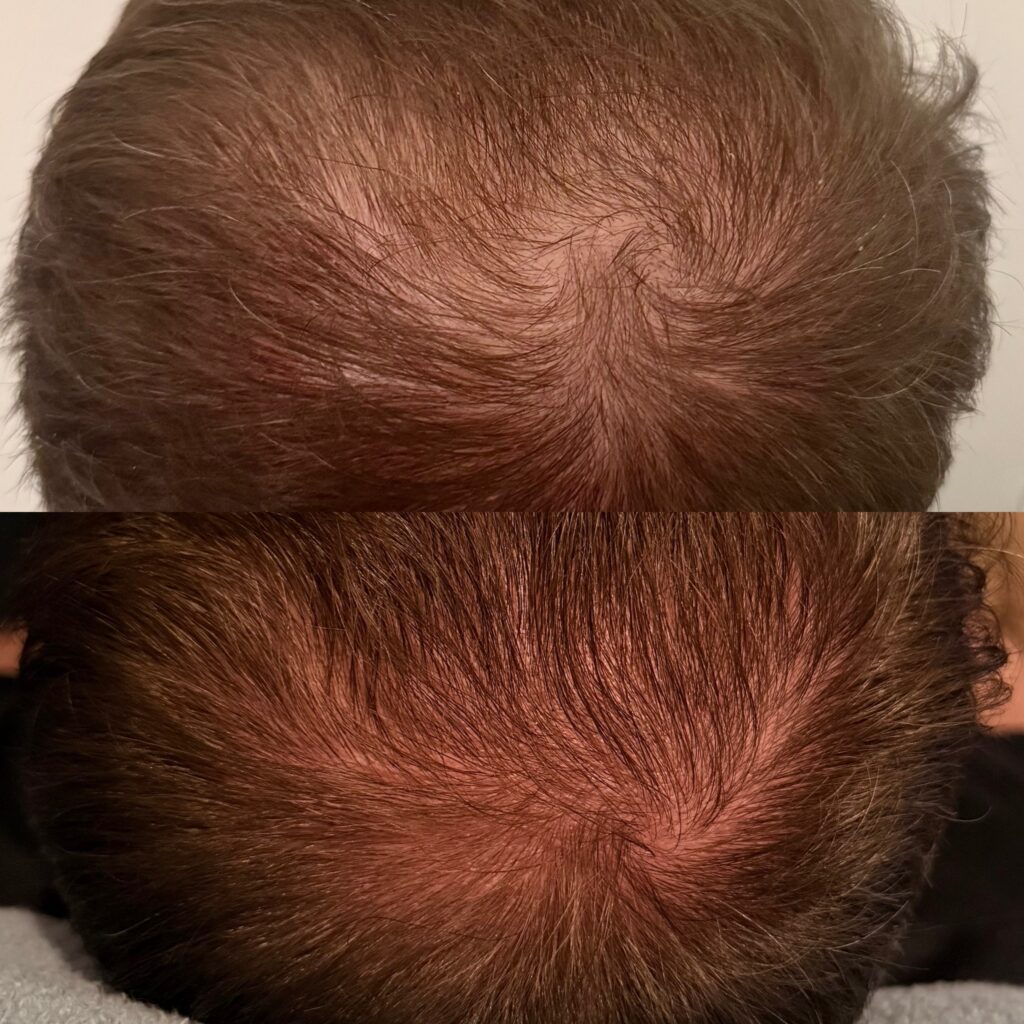
PRP can also be used on the scalp to help stimulate hair follicles and support thicker, healthier-looking hair. Skin City Lab lists PRP Hair Restoration among its services, and its public materials describe PRP therapy as supporting both skin and hair concerns.
Fine lines and early wrinkles.
Acne scars and uneven texture.
Hyperpigmentation and dullness.
Overall skin rejuvenation and glow.
Microneedling enhancement.
PRP hair applications
Early hair thinning.
Male or female pattern hair loss.
Excess shedding.
Supporting stronger, healthier-looking hair growth.
Scalp-focused regenerative treatment plans.
PRP for hair is usually best for clients in earlier stages of hair loss, when follicles are still active. Research reviews also report improvement in hair density and thickness in patients with androgenetic alopecia, though results vary and usually build over time rather than appearing immediately.
Before & After
PRP FAQ
What is PRP?
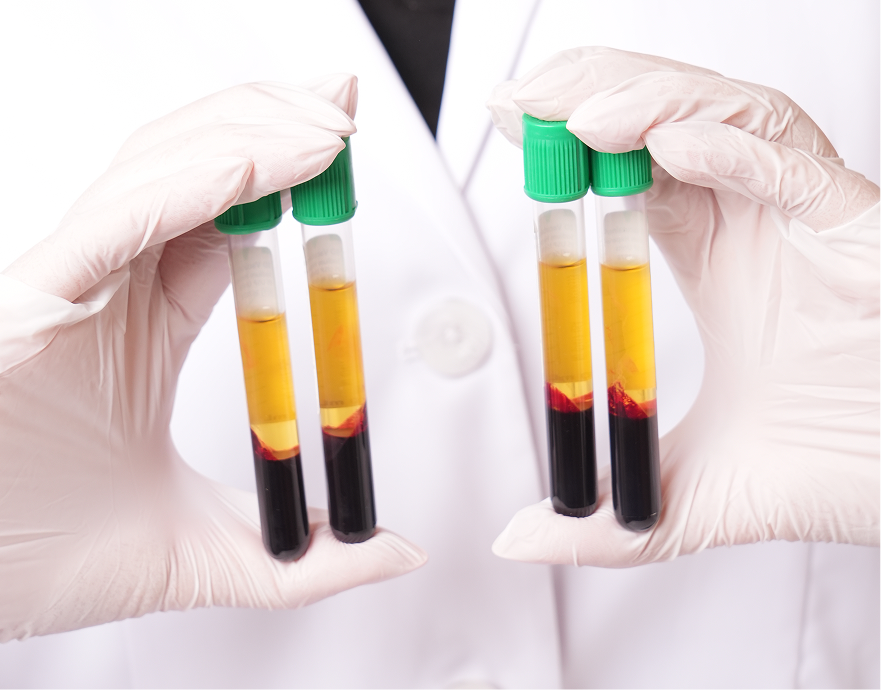
PRP, or Platelet-Rich Plasma, uses your own blood-derived growth factors to support collagen, improve skin quality, and stimulate hair restoration.
What can PRP treat?
PRP is commonly used for skin texture, fine lines, acne scars, dullness, and hair thinning.
Can PRP help with hair loss?
PRP may help support thicker, healthier-looking hair and is often used for thinning or early-stage pattern hair loss.
How many PRP treatments will I need?
Skin City Lab’s PRP guidance says most clients see the best skin results after a series, and internal training recommends 3 to 4 treatments for PRP-based rejuvenation.
How do I know which treatment is right for me?
The best option depends on your concerns, treatment area, and goals, so consultation is the best place to decide between PRP for skin or PRP for hair.